The North Carolina Division of Mental Health, Developmental Disabilities, and Substance Abuse Services is sponsoring a training series to support workforce development for systems that interact with, support, and provide treatment for persons who have mental illness co-occurring with an intellectual/developmental disability. The webinars will cover the most common challenges in providing effective care to this population.
Upcoming Training Offerings:
Ask The Expert: Addressing Trauma and Chronic Stress in Youth with Neurodivergent Diagnoses: Sympathetic Imbalance
Training Description: This training will review how chronic stress triggers a sympathetic imbalance in the nervous system leading to health concerns and symptoms.
Learning Objectives:
1.Provide more specific care by understanding chronic stress and its physiological impacts on the body
2.Identify the potential for sympathetic dominance through an effective health history
3.Learn options and techniques for improving neural-autonomia
4.Become proficient with the terminology and understanding of sympathetic imbalance
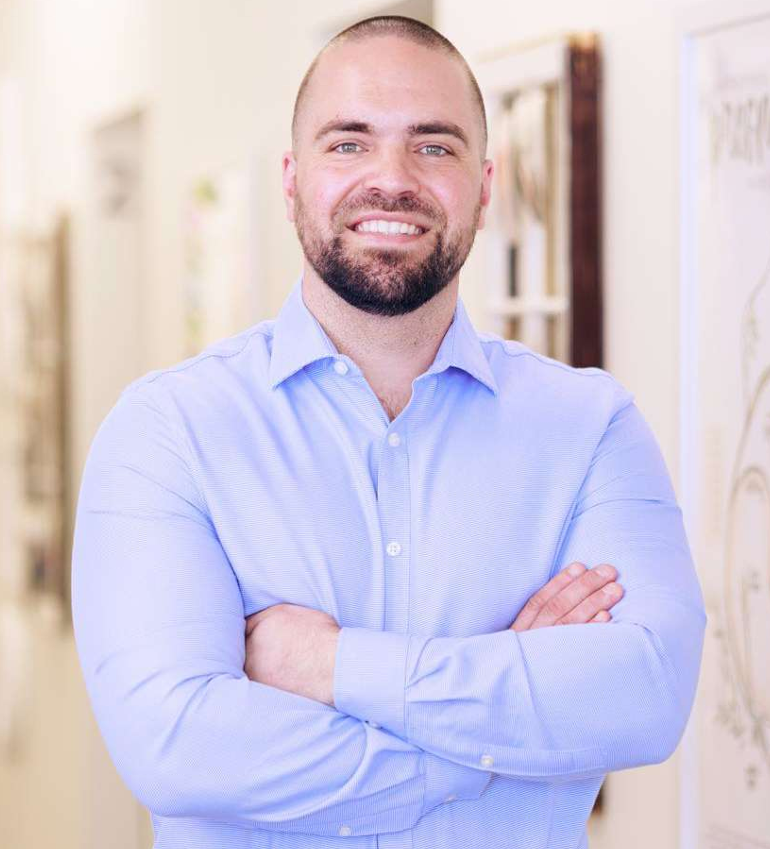
Speaker: Dr. Nikolai Simonson
Dr. Simonsen is proud to be a husband, father, Christian, and Navy veteran. He set out to be a chiropractor, not just to help individuals with pain, ut to serve people in a way that would improve an individual's overall quality of life. Dr. Simonsen owns and operates Adapt Chiropractic, one of Raleigh's largest pediatric and perinatal family practices. Dr. Simonson has been a featured keynote speaker at chiropractic colleges, Duke Hospital, the National Institute of Health, and many local community events. His mission is to educate the community about neurologically based chiropractic care, offering insight and solutions to a pandemic of physiological stress.
The University of North Carolina at Chapel Hill School of Social Work has been approved by NBCC as an Approved Continuing Education Provider, ACEP No. 6642. Programs that do not qualify for NBCC credit are clearly identified. The University of North Carolina at Chapel Hill School of Social Work is solely responsible for all aspects of the programs. For more details about this training and continuing education information please visit http://bhs.unc.edu
This training has been submitted for 3.5 hours of credit from the North Carolina Addiction Specialist Professional Practice Board. For questions please email us at bhs-support@unc.edu